
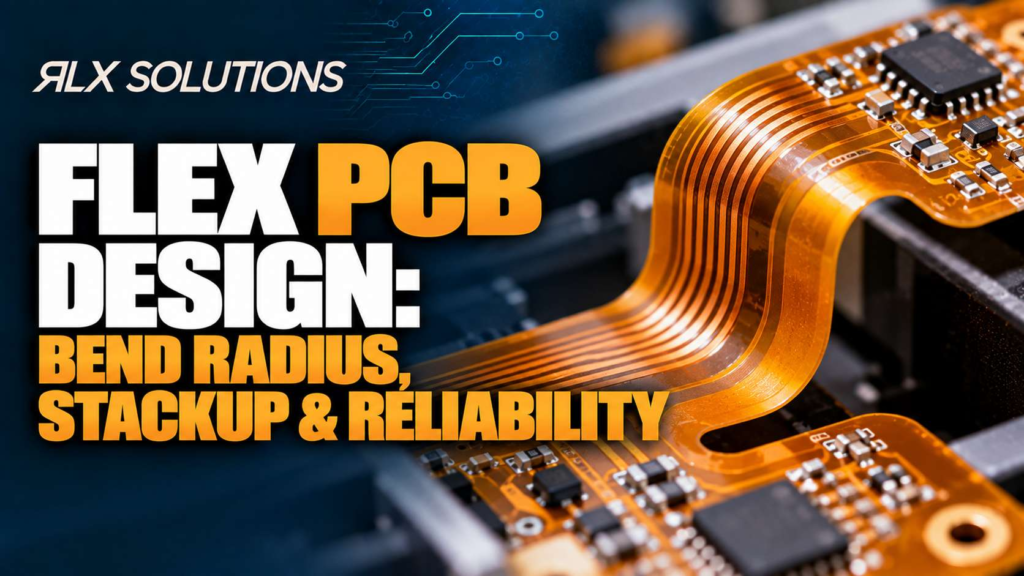
Flex PCB Design: Bend Radius, Stackup & Reliability
Flex PCB design succeeds when bend radius, copper geometry and stackup are treated as one mechanical system rather than separate
Flex PCB design succeeds when bend radius, copper geometry and stackup are treated as one mechanical system rather than separate
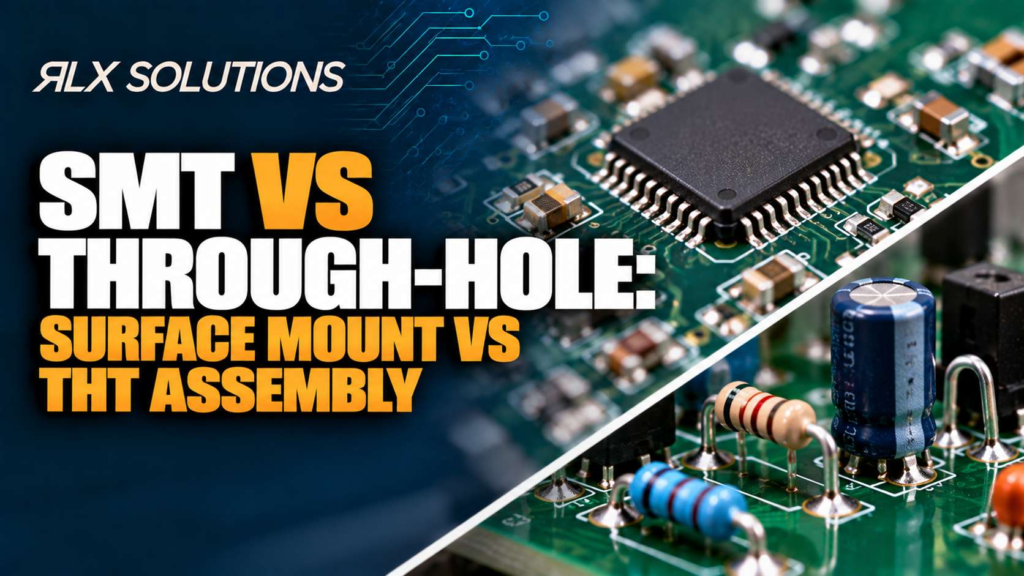
Surface mount technology (SMT) places components directly onto PCB pads, while through-hole technology (THT) inserts leads through drilled holes before
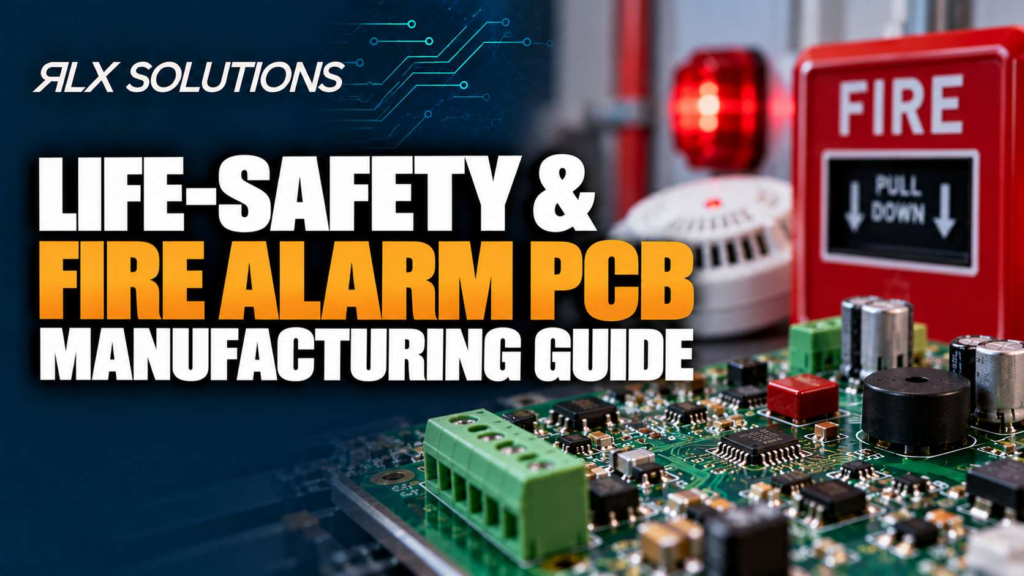
Life-safety and fire alarm PCB manufacturing puts manufacturing discipline, repeatability and traceability ahead of unnecessary board density. RLX Solutions, a
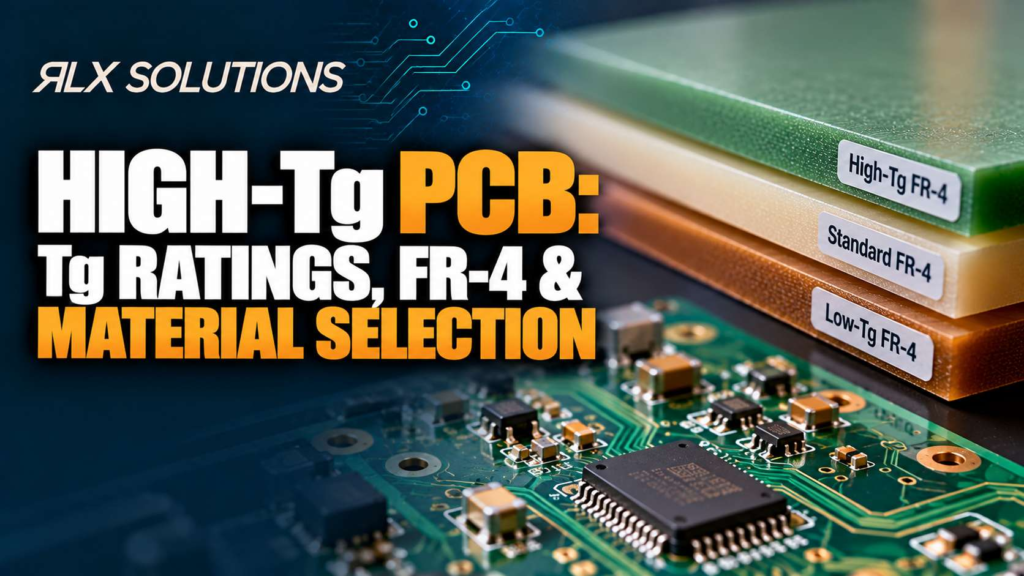
A high-Tg PCB uses laminate with a higher glass transition temperature so the board retains dimensional and mechanical stability through
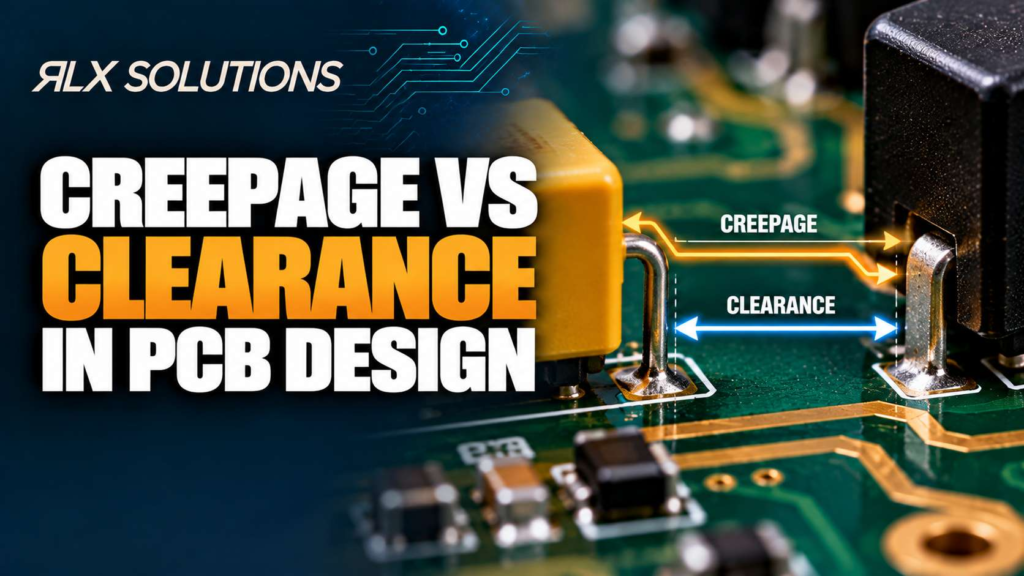
Creepage is the shortest path between conductors along an insulating surface, while clearance is the shortest distance through air. PCB
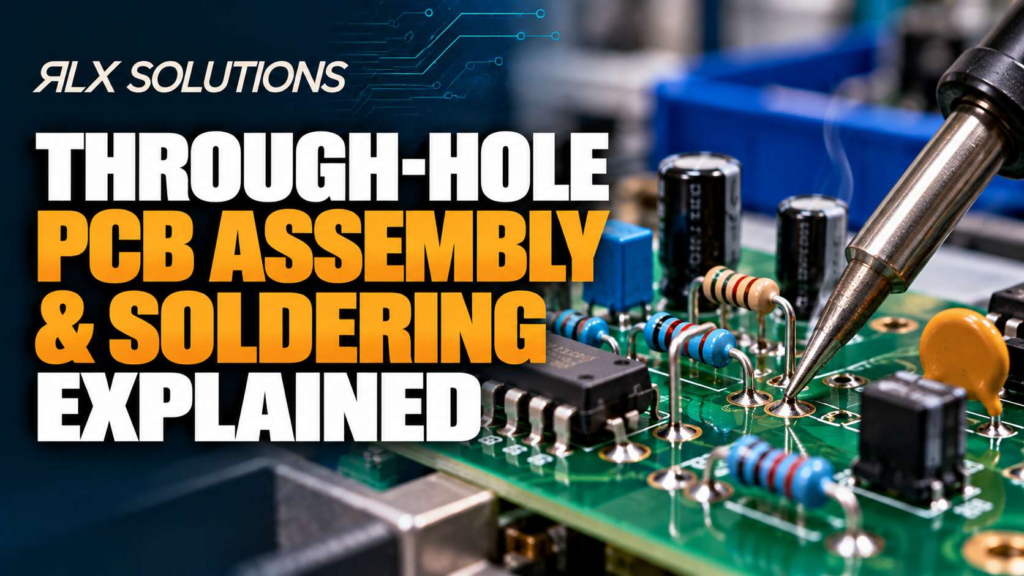
Through-hole PCB assembly mounts component leads through drilled holes in a printed circuit board, then solders those leads to create
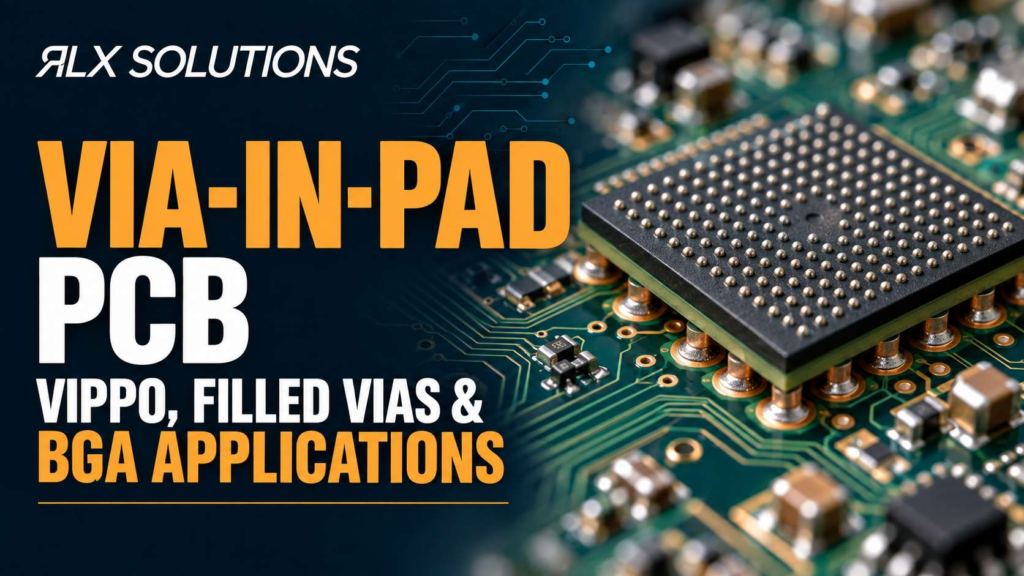
Via-in-pad places a via directly inside a component pad to shorten routing and create escape paths where conventional dog-bone fanout
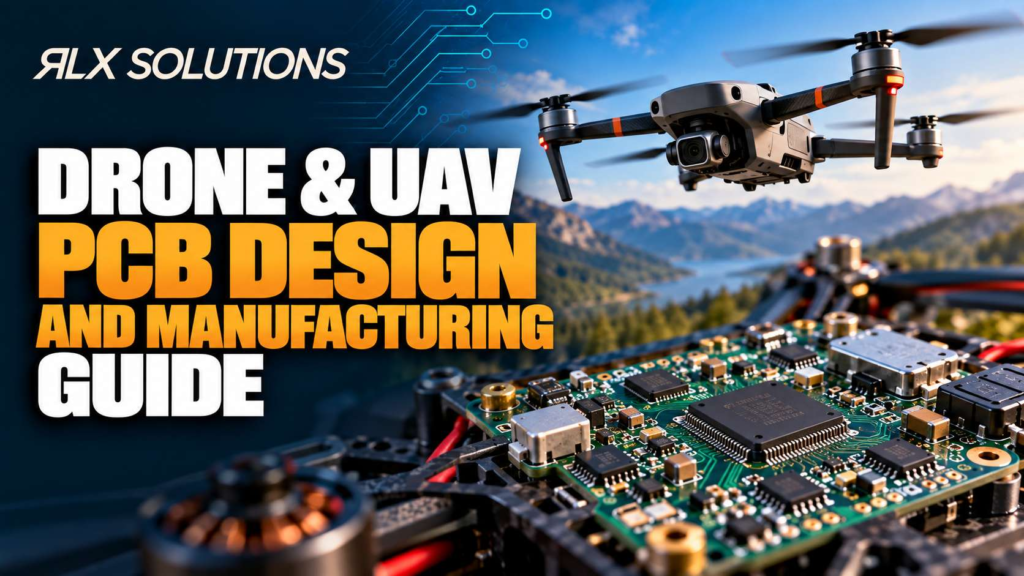
Drone and unmanned aerial vehicle (UAV) PCB design has to balance mass, board area, power delivery, radio-frequency performance, thermal load
PCB ground plane design is primarily a return-path problem: keep the reference plane continuous, keep return current close to its
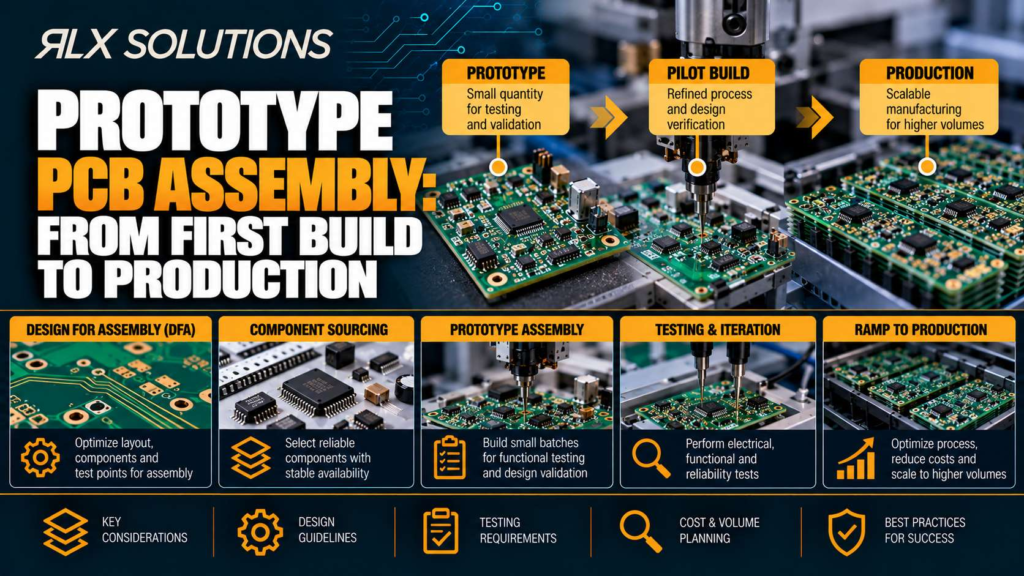
Prototype PCB assembly should prove that a circuit board can be built, inspected, tested and repeated, not simply that one